Heat pump and electric car could save a typical household £1,200 a year on energy, Climate Change Committee says
Using the new January price cap, the government's climate advisers put a typical home with a gas boiler and petrol car at £3,600 a year for energy and fuel. The saving assumes home charging and a time-of-use tariff.
A household that swaps a gas boiler and petrol car for a heat pump, an electric car and a time-of-use tariff would spend about £1,200 a year less on energy, according to modelling the Climate Change Committee (CCC) published on Wednesday. The analysis uses the price cap Ofgem announced the same day, and counts petrol and car charging as well as gas and electricity.
The £3,600 starting point
The committee's typical home is a semi-detached, owner-occupied house using Ofgem's standard 2,500 kWh of electricity and 9,500 kWh of gas a year, with one used petrol car driven 12,400 km a year, the median mileage in the National Travel Survey.
Ofgem's January to March cap adds about £400 a year to that household's gas and electricity, the CCC says. Counting the rise in petrol prices over the last quarter as well, the CCC puts the increase at £600, taking the combined electricity, gas and petrol bill to £3,600 a year.
Since the start of the Iran war, the committee says, bills have risen three times as much for a household like this as for one with an electric car, a heat pump and a time-of-use tariff.
Where the £1,200 comes from
The committee breaks the saving into two steps.
- Switching the petrol car for a used electric car, with a charger at home, cuts energy costs by £700 a year. Counting purchase, maintenance, insurance and vehicle excise duty as well, the saving rises to £800.
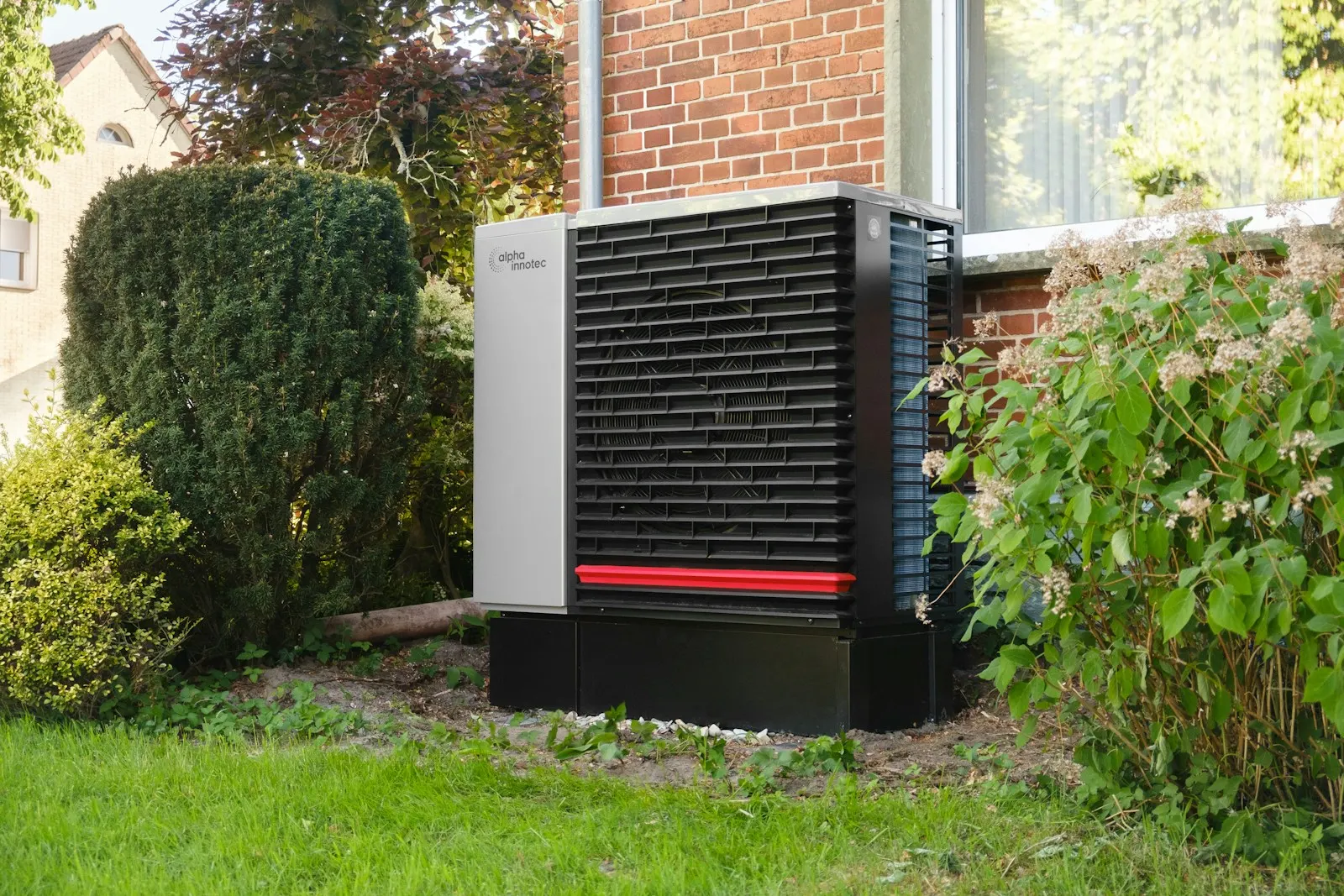
- Replacing the gas boiler with an air source heat pump on a time-of-use tariff saves a further £500, bringing the household's total for home energy and driving to under £2,400 a year.
That £2,400 includes transport, so it cannot be set against Ofgem's £2,166, which covers home energy only.
Spreading the cost of buying and installing the equipment over its working life adds about £200 a year. Once upfront and maintenance costs are counted, the CCC puts the saving at more than £1,100 a year at current energy prices.
The assumptions behind it
The methodology note published alongside the analysis sets out the conditions behind the result. The committee says energy use, access to capital and the chance to save through home charging and time-of-use tariffs vary widely between households.
- Home charging: 84% of the car's charging is done on a home charger at the cheapest off-peak rate. The rest is split between slower public chargers (6%) and rapid or ultra-rapid ones (10%), priced from Zapmap's index.
- Tariff: a three-rate tariff with off-peak prices 50% below the standard rate and peak prices 50% above it. Peak runs from 16:00 to 19:00. The committee assumes 5% of a heat pump home's electricity is used at peak, against 17% for a gas-heated home on a standard tariff.
- Timing: the household is replacing both its boiler and its car this year anyway, so it is comparing new against new rather than scrapping working equipment.
- Prices of kit: a used petrol car and a used electric car both at £12,600, a home charger at £1,000, a gas boiler at £2,600 and a heat pump at £9,400 plus £5,900 for installation and work such as radiators.
- Support: the £7,500 Boiler Upgrade Scheme grant and a zero-interest loan for the heat pump. The Warm Homes Plan has promised low and zero interest loans without setting a rate, so the committee assumes rates up to 5% below market, which it says works out at zero interest for the typical household.
Its efficiency figures are 2.94 for the heat pump and 0.85 for a gas boiler, the same values it used for the Seventh Carbon Budget.
Who can act on it
The CCC says not every home suits every technology. For many households, it points to switching tariff or asking suppliers and grant schemes for help.
In England and Wales, the Boiler Upgrade Scheme pays £7,500 towards an air source or ground source heat pump, one grant per property. Until March 2027, homes heated by oil or LPG with no mains gas connection can get an extra £1,500. Air-to-air heat pumps qualify for £2,500, and hybrid systems that keep a gas boiler are not covered.
The committee repeats recommendations from its 2026 progress report to Parliament: cheaper electricity, fewer barriers to buying low carbon technology and more affordable public charging. It adds that solar panels and a home battery can cut bills and exposure to fossil fuel prices further.