
Deforestation rules for Great Britain would make firms trace soy, palm oil and cocoa to source
Defra's consultation, open until 17 January 2027, covers cattle, cocoa, coffee, oil palm, rubber, soy and timber. Firms with a global turnover above £1 million would need geolocation evidence of where their commodities were produced.
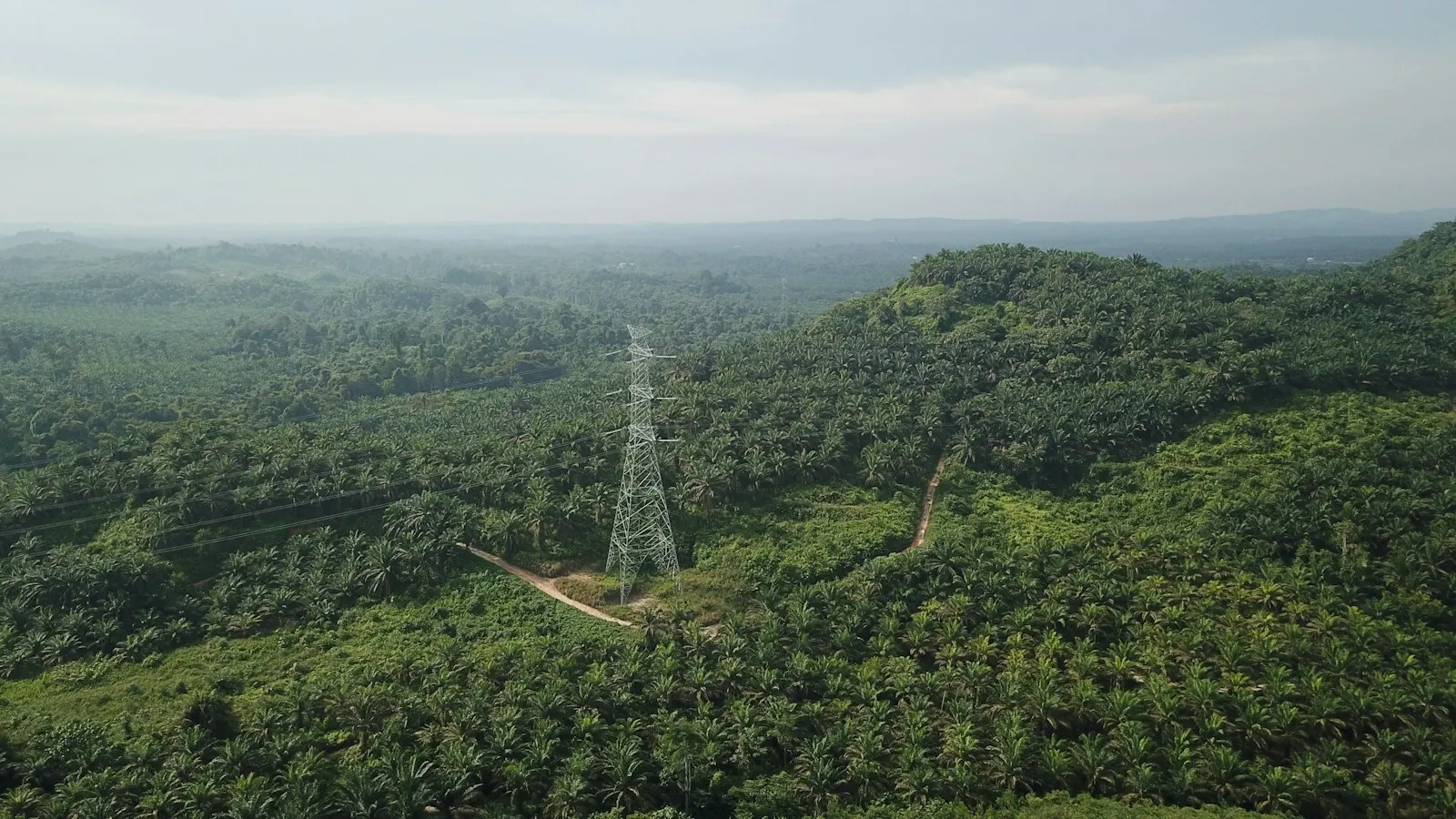
Businesses in Great Britain that use cattle, cocoa, coffee, oil palm, rubber or soy would have to show that those commodities were produced legally, and trace them back to where they were grown or raised, under proposals published by the Department for Environment, Food & Rural Affairs on Wednesday 11 November.
The consultation runs until 23:59 on Sunday 17 January 2027, through Defra's online survey or by email to deforestationconsultation@defra.gov.uk. It also proposes tightening the UK Timber Regulation, which already requires due diligence on timber.
How the rules would work
The six commodity categories, plus timber, were chosen because evidence shows they are significant drivers of deforestation around the world. Soy and palm oil, Defra says, turn up in everyday goods from chocolate and cooking oils to toiletries and cosmetics.
The test would be legality. A regulated commodity would have to have been produced or harvested in line with the local laws where it came from. Under the proposals, a business would need to:
- Trace each regulated commodity to the area where it was produced, using geolocation data as evidence of origin.
- Assess the risk that it was not produced legally.
- Reduce any risk it finds to a negligible level before using the commodity in its business.
- Report each year to the regulator, with some information published.
Products would be identified by their Harmonised System trade codes, with a list broadly comparable to Annex I of the EU's own deforestation regulation. Defra is asking whether businesses further down the supply chain could rely on checks already carried out upstream, and whether due diligence information should be passed between companies, so the same work is not repeated each time a product changes hands.
Who would be covered
The new requirements would apply only to businesses with a global annual turnover above £1 million in the previous financial year. Smaller businesses dealing in the six new commodities would be outside the regime entirely. Smaller timber businesses already covered by the UK Timber Regulation would keep their existing obligations but not take on the new ones.
Enforcement would use the powers in Schedule 17 of the Environment Act 2021. Defra is asking which civil sanctions should apply and whether the maximum variable monetary penalty should be a fixed sum, linked to turnover, or unlimited. In the longer term, the government says it wants to move to a deforestation-free standard.
Northern Ireland
Northern Ireland follows a different timetable. The EU Regulation on Deforestation-Free Products starts applying there in phases from 30 December 2026, under the arrangements that keep Northern Ireland in both the UK internal market and the EU single market. The government says it wants the two regimes to work alongside each other to limit paperwork.