
Emergency and Acute Care Wales plan aims to end routine corridor care by 2029
The Welsh Government framework wants more patients who need a hospital stay to go home within 72 hours where clinically appropriate, and puts up to £23.3m behind the changes.
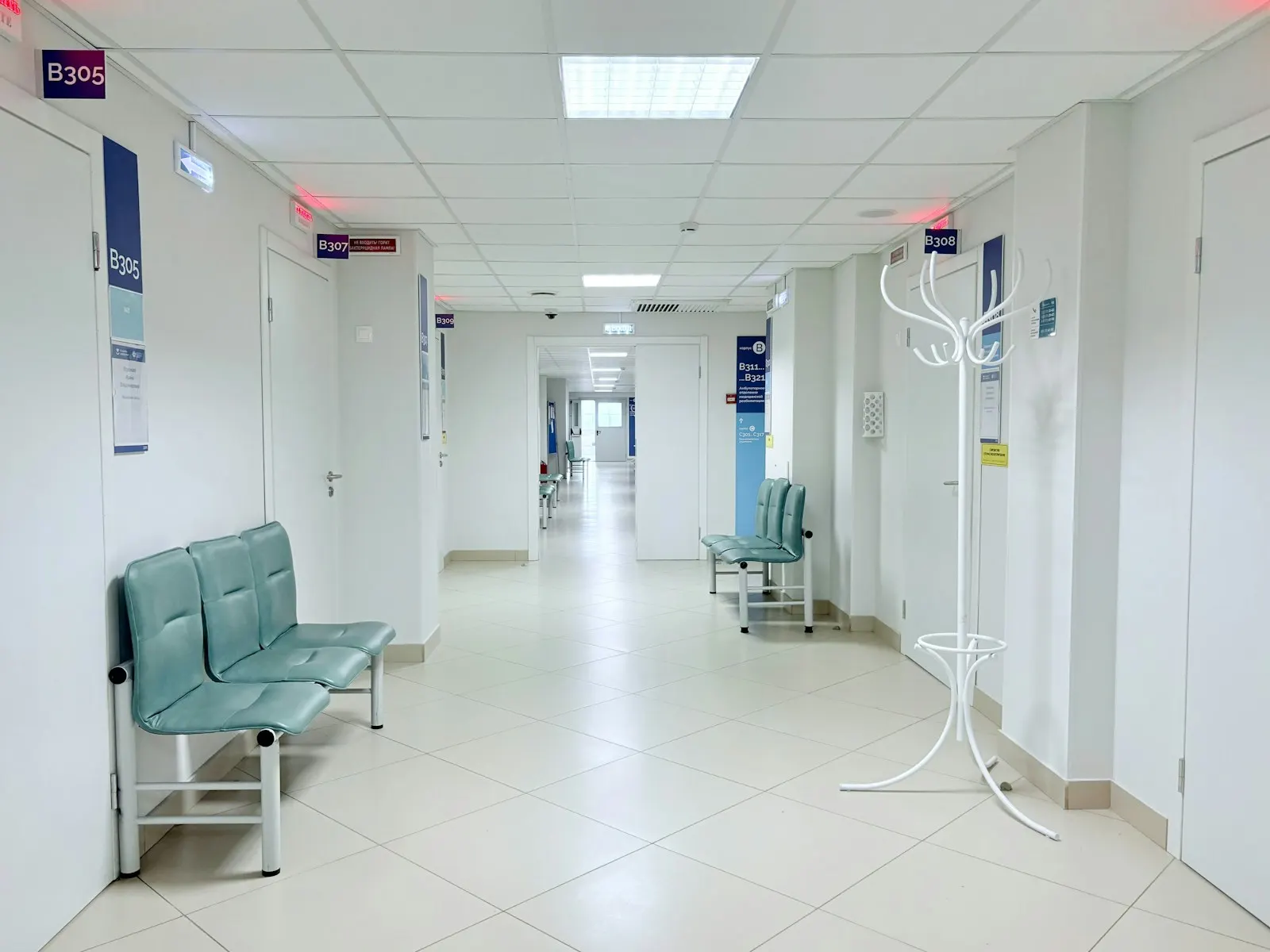
Corridor care in Welsh hospitals should no longer be used as a routine response to pressure by 2029, under a framework the Welsh Government published on Tuesday. Emergency and Acute Care Wales covers a patient's whole route through the system, from the moment an emergency happens to recovery at home, and comes with up to £23.3m to help NHS Wales and its partners make the changes.
It sets two expectations. People with an emergency or a time-critical condition, such as a stroke, should get rapid access to the right care, and nobody should stay in hospital longer than is clinically necessary. Where an acute admission is needed, the first 72 hours are meant to be spent on assessment, tests, treatment, senior clinical decisions and recovery, so that more people go home the same day or inside that window, where clinically appropriate. Planning for discharge is supposed to start when a patient arrives, with services working across seven days.
How progress will be checked
The framework sets yearly milestones, labelled reset in 2027, consolidate in 2028 and demonstrate improvement in 2029. In the first year the expectation is a consistent national way of measuring and reporting corridor care. By April 2027 the Welsh Government and NHS Wales Performance and Improvement are due to agree outcome indicators and, where appropriate, numerical targets, which will set baselines for reducing corridor care, avoidable delays and unnecessary time in hospital. Progress will be published every year, with a review in 2030 that looks ahead to a longer ambition for 2034. NHS Wales Performance and Improvement will also draw up implementation plans setting out what each organisation is responsible for.
The document sets out the scale of the delays it is aimed at, using figures for 2025 to 2026:
- 184,850 ambulance hours lost
- 15% of patients spent 12 hours or more in an emergency department
- delays of more than 48 hours in getting people home led to 345,000 lost bed days, costing around £172m
- people over 85 spent an average of 7 hours 13 minutes in an emergency department before admission or discharge (March 2026)
Only 18% of discharges took place by midday in March 2026, against an aim of 33%.
A separate ambition is for Wales to become a Nation of Lifesavers by 2029, with more people able to recognise a cardiac arrest, call for help and start CPR. That work will build on community first responders and volunteers, look at raising awareness of CPR among children and young people, and consider whether drones could carry defibrillators.
Public polling quoted in the document found that improving ambulance response times was the most common priority among people in Wales, chosen by 35% of respondents, ahead of A&E waiting times at 33%.