Free sugars definition clarified for smoothies, purées, stewed and dried fruit
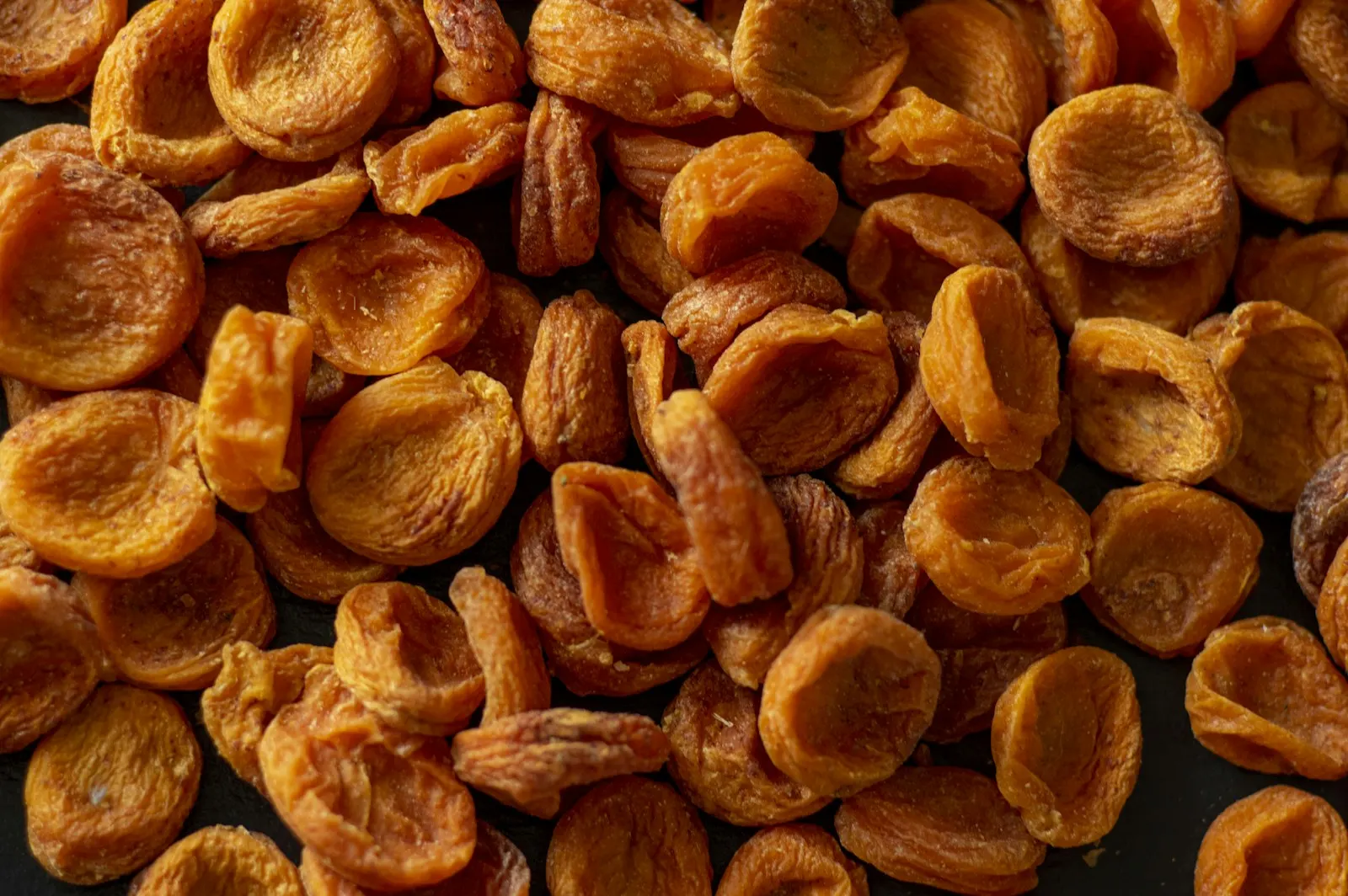
Government nutrition advisers say what matters is whether the fruit or vegetable is still intact. Blending, mashing and powdering release free sugars. Chopping, grating and drying fruit such as apricots so that it stays largely intact do not.
Sugars in a fruit or vegetable count as free sugars once processing breaks down its cell structure, and do not count while it stays intact, the Scientific Advisory Committee on Nutrition (SACN) has advised. Its position statement, published on Tuesday 10 November, settles how the UK definition applies to purées, smoothies, stewed fruit, powders and dried fruit.
The Department of Health and Social Care asked for the advice in June 2026. Free sugars are the sugars the UK recommends limiting to no more than 5% of daily energy. They include all added sugar plus the sugar in honey, syrups, and fruit and vegetable juices and purées. Sugar locked inside whole fruit and vegetables is not included, because SACN has found no evidence that it harms health.
The two groups
SACN sorts processes into two groups. In the first, all the naturally occurring sugar is treated as free sugar:
- liquidising, blending, pulping and sieving, which produce juices, smoothies, pastes and purées
- mashing, pressing and crushing
- stewing where the fruit or vegetable falls apart, such as stewed apples or tomatoes
- making concentrates, extruded snacks such as fruit bars, twists and bites, powders, and freeze-dried or fully dehydrated products
In the second, none of it is:
- chopping, slicing, dicing and grating
- drying where the fruit stays largely intact, such as dried apricots or raisins
Stewed fruit or vegetables that keep their shape are treated as containing no or minimal free sugars, so intact pieces of vegetable in a casserole do not count.
Canned and frozen fruit and vegetables depend on what was done before they went into the tin or freezer. The natural sugar in chopped canned fruit is not counted, while in puréed fruit it is. Very finely chopped produce that turns into a paste or purée counts as free sugar too.
The same test applies to home cooking and factory processing, although SACN accepts that home cooking is less likely to release sugars than intensive industrial methods.
What the new wording adds
SACN describes this as a clarification of the 2018 UK definition, not a substantive change. The wording now adds sieved, mashed, crushed and pressed products, along with powders and freeze-dried or fully dehydrated products where the fruit is no longer intact. Chopped, sliced, diced and grated are now excluded.
That matters mainly for food policy and manufacturers. Cutting free sugar intake is one aim of policies underpinned by the UK nutrient profiling model, including restrictions on advertising and promoting less healthy food and drink. Most food labels show total or added sugars rather than free sugars. SACN says final decisions on how the clarification is applied rest with the UK government.
How much it affects diets
According to the National Diet and Nutrition Survey for 2019 to 2023, average free sugars intakes in every age group and at every level of deprivation are above the recommendation, around double it overall, and intakes are highest in the most deprived group. Most free sugars come from added sugar: around three-quarters for children aged 10 and under and around 80% for older children and adults.
Processed fruit and vegetables are a small part of the picture. Fruit purées supply around 2% of free sugars for older children and adults, and vegetable purées and juices 3% to 5%. For children aged 18 months to 3 years the shares are higher, at 5% from fruit purée and 7% from vegetable purées and juices.
SACN's existing population recommendations are unchanged: no more than 5% of daily energy from free sugars, and at least five portions of a variety of fruit and vegetables a day.