Bird flu prevention zone now covers all of Scotland
Every bird keeper in Scotland must follow compulsory biosecurity rules from noon on Tuesday 10 November, after more bird flu was found in wild and captive birds.
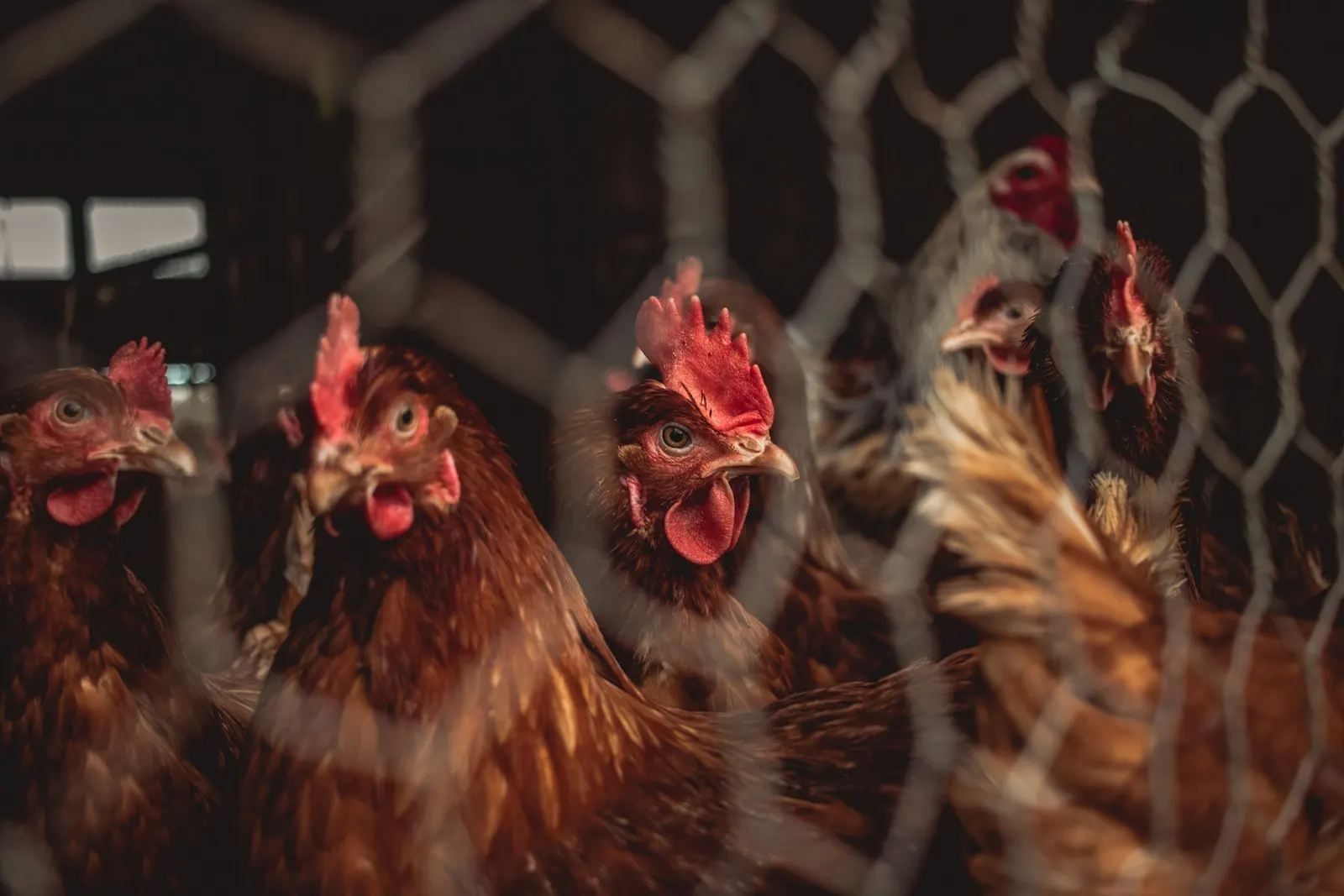
An Avian Influenza Prevention Zone covering the whole of Scotland came into force at 12 noon on Tuesday 10 November. It was declared by Scotland's Chief Veterinary Officer and applies to every bird keeper in Scotland. The Scottish Government says the zone will stay in place until further notice and will be reviewed regularly. Scotland's previous all-country zone was revoked on 4 June 2026.
Under the zone's biosecurity rules, keepers must:
- keep free-ranging birds inside fenced areas
- fence off ponds, watercourses and permanent standing water, with limited exceptions such as zoo birds
- clean and disinfect footwear and keep bird areas clean and tidy
- cut down on movement in and out of enclosures
- clean and disinfect concrete areas and fence off wet or boggy ground
- keep domestic ducks and geese apart from other poultry
- make their land less attractive to wild birds, for example by netting ponds and removing wild bird food
- feed and water birds in enclosed areas
Why now
Highly pathogenic avian influenza is circulating in wild birds across the UK, and the risk to poultry and captive birds is assessed as very high. Since 21 October, nine of 65 dead wild birds tested in Great Britain have been positive.
There have been six cases in kept birds in Great Britain so far this season, which runs from October to April: four in England and two in Scotland. The Scottish cases were a backyard flock on the Isle of Lewis and an egg producer in the Scottish Borders. Voltacle covered the case confirmed at poultry premises near Biggar earlier this month. Outbreaks in poultry have also risen across Europe, including in Belgium, Germany and Norway.
Public Health Scotland says the risk to public health is very low. Food Standards Scotland says properly cooked poultry and eggs are safe to eat.
Registering and reporting
All bird keepers, with some exclusions, must register where their birds are kept on the Scottish Kept Bird Register and update the details at least once a year. Registration is free.
Suspected disease in kept birds should be reported to the local Animal and Plant Health Agency field services office. Dead wild birds should not be touched or picked up. Across Great Britain, members of the public are asked to report a single dead bird of prey, swan, goose, duck or gull, or five or more dead wild birds of any other species, through the GOV.UK dead wild birds service.