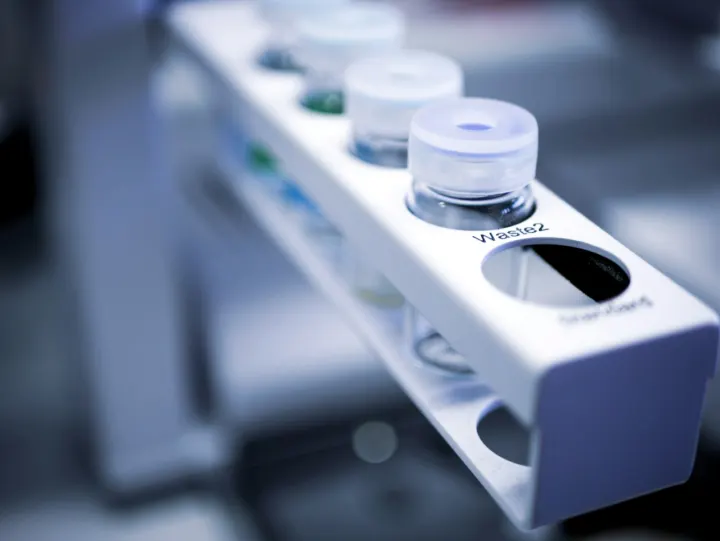
UKHSA tests blood and urine samples to set baseline PFAS levels in the UK
The study uses samples already collected through the Health Survey for England and will also look for lead, arsenic, bisphenols, phthalates and flame retardants. First findings are due in 2027, and the agency is not recommending routine PFAS blood tests.
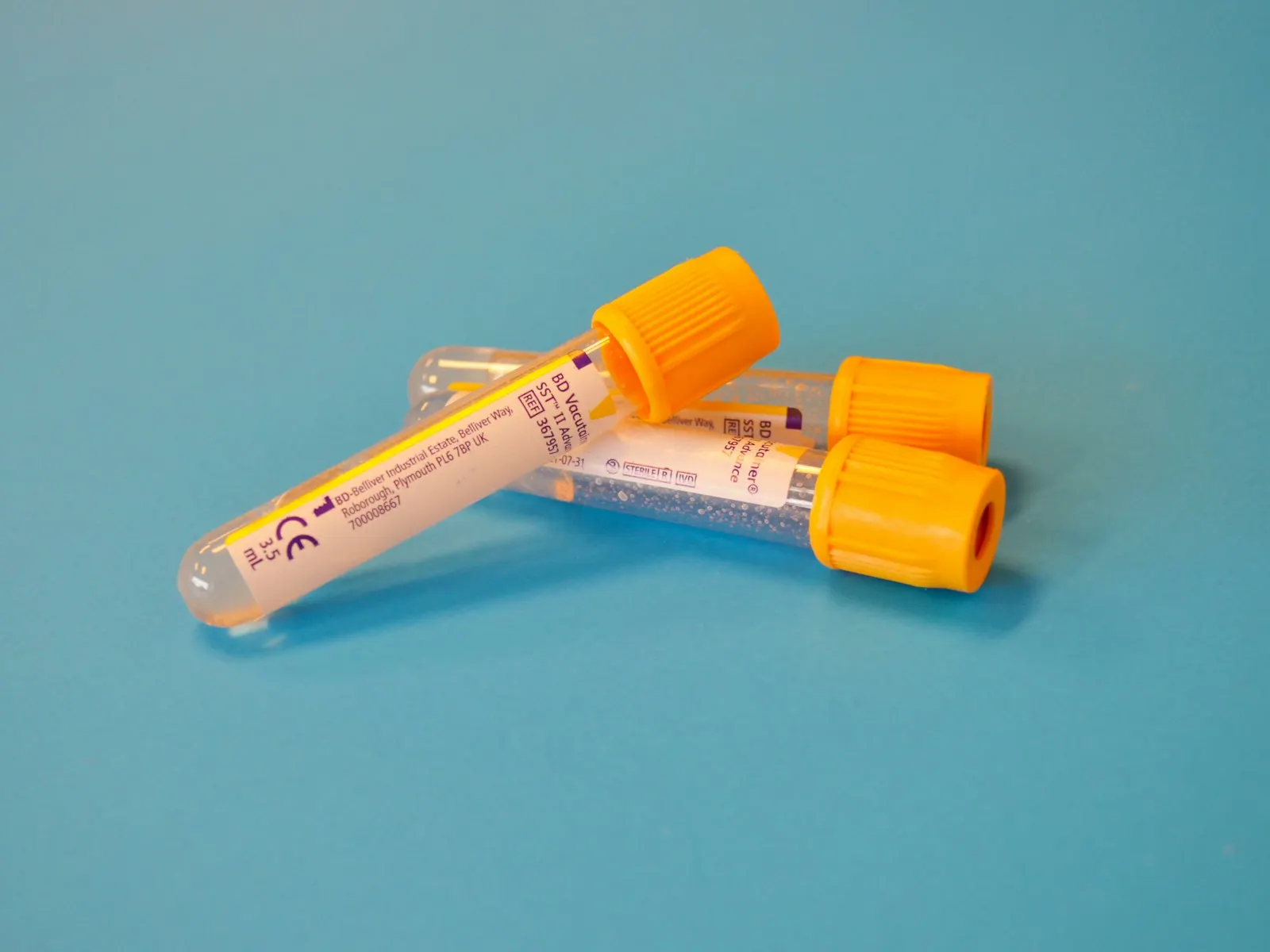
The UK Health Security Agency (UKHSA) is analysing blood and urine samples to find out how much PFAS, the large family of man-made forever chemicals, people in the UK typically carry. The agency announced the human biomonitoring study on Tuesday.
The samples were collected through the existing Health Survey for England. Alongside PFAS, the laboratories will measure lead, arsenic, bisphenols, phthalates and flame retardants. UKHSA expects the first findings from its biomonitoring programme in 2027.
The aim is a baseline of typical background exposure across the population.
Evidence so far
Industry has used PFAS widely, including in consumer products, and they persist in the environment. UKHSA says they can be detected in people, but there are still important gaps in knowing what different levels mean for long-term health. On the evidence available, it says any health effects are likely to be limited. The strongest findings internationally point to possible links with raised cholesterol and possibly lower birth weight, and it says these need more work.
The agency's rapid review, published on 22 September, looked at studies of people living near sites that make or use PFAS. It found evidence suggesting an association between one type, PFOS, and mixtures containing it and lower birthweight. Because low and very low birthweight are uncommon in England, it judged that any measurable effect was unlikely to be detectable in communities near affected sites. For heart disease, diabetes, some cancers, some pregnancy and birth outcomes and autoimmune diseases, there were too few qualifying studies to reach a view.
The independent Committee on Toxicity is carrying out its own detailed review of the evidence, and UKHSA is working with organisations across Europe to track new research. The rapid review forms part of UKHSA's commitments under the government's PFAS Plan, published on 3 February 2026.
No routine testing
UKHSA is not recommending routine PFAS blood tests for individuals. Its reasoning is that a test can show PFAS are present, but there is no established clinical treatment or action linked to any particular blood level, so a result would not tell a patient or doctor what to do next.
People who are worried about their health are advised to speak to their GP or another healthcare professional.