
Yellow ice warning for much of Scotland and parts of northern England into Monday morning
The Met Office warning runs from 6pm on Sunday to 10am on Monday 16 November and covers Cumbria, Durham, Northumberland and a large part of mainland Scotland, with some snow possible in the north.
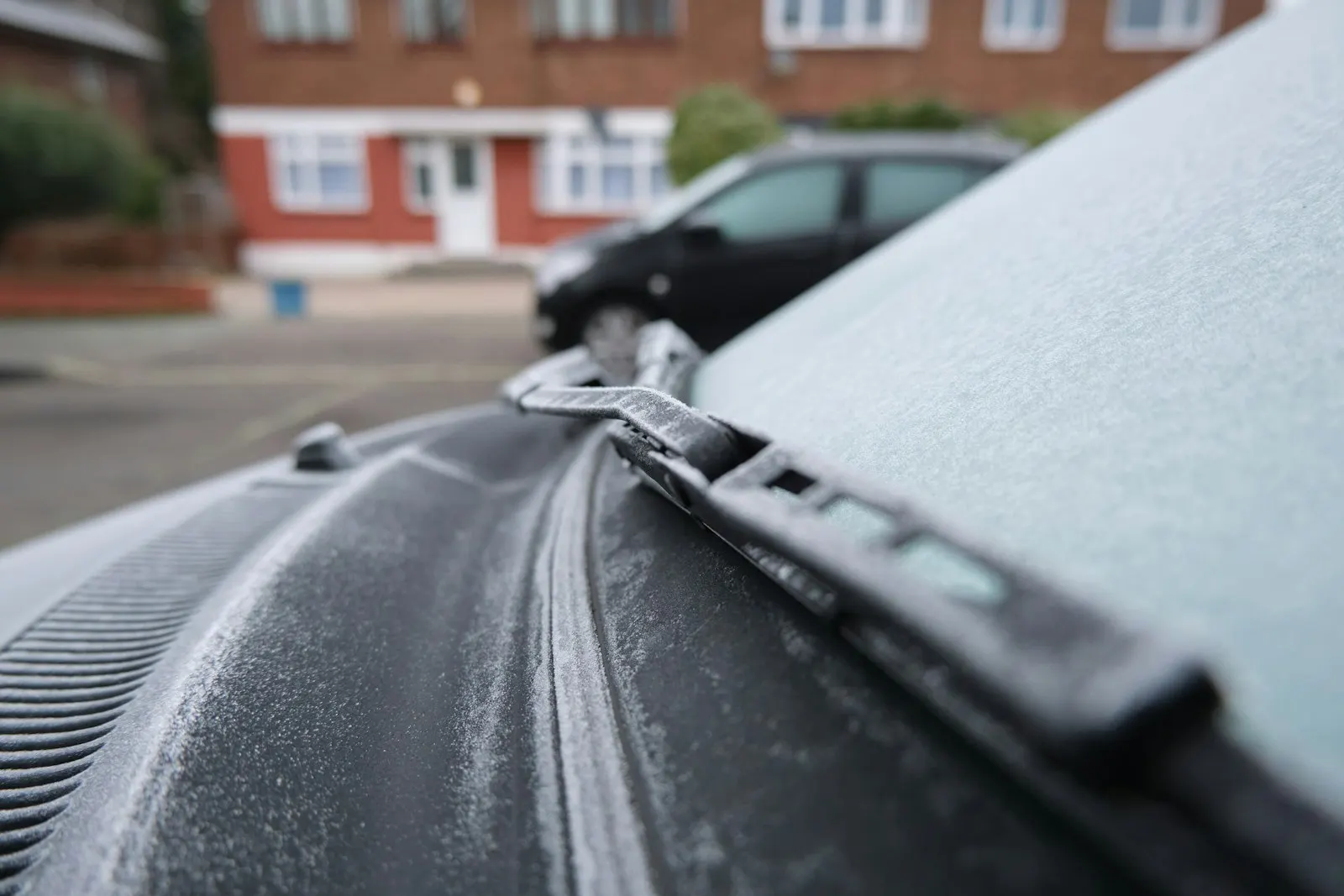
Drivers, cyclists and people on foot in much of Scotland and the far north of England are being told to expect icy stretches overnight, after the Met Office issued a yellow warning for ice at 10:30 on Sunday.
The warning runs from 6pm on Sunday until 10am on Monday 16 November. It covers:
- Central, Tayside and Fife: Angus, Clackmannanshire, Dundee, Falkirk, Fife, Perth and Kinross, and Stirling
- Grampian: Aberdeen, Aberdeenshire and Moray
- Highlands and Eilean Siar: Highland
- Strathclyde: East Ayrshire, North Lanarkshire and South Lanarkshire
- South West Scotland, Lothian and Borders: Dumfries and Galloway, East Lothian, Edinburgh, Midlothian, the Scottish Borders and West Lothian
- North East England: Durham and Northumberland
- North West England: Cumbria
Why ice is expected
A band of rain, with snow on hills mainly above 200 metres, is forecast to move away to the south east during Sunday night. Skies should then clear at least partly and temperatures drop below freezing, so surfaces left wet by the rain are likely to freeze where they have not been gritted.
The timing varies. In northern England and south east Scotland the ice will probably not form until towards the end of the night. Northern Scotland is also likely to see wintry showers, with snow reaching low levels for a time. The Met Office expects no more than 1 to 2cm at low levels, and perhaps 4 or 5cm on higher ground.
The forecaster rates the warning as having a high likelihood, 50 to 75%, of a moderate impact. It says there are likely to be icy patches on some untreated roads, pavements and cycle paths, and some injuries from slips and falls.
Getting about on Monday
The Met Office suggests leaving home at least five minutes earlier than usual so there is no need to rush. On foot, pavements beside main roads are likely to be less slippery, and cyclists are advised to keep to main roads, which are more likely to have been treated. Anyone driving should check road conditions first, and anyone using buses or trains should check timetables before setting out.
Warnings can change, and the latest versions are on the Met Office website and app.