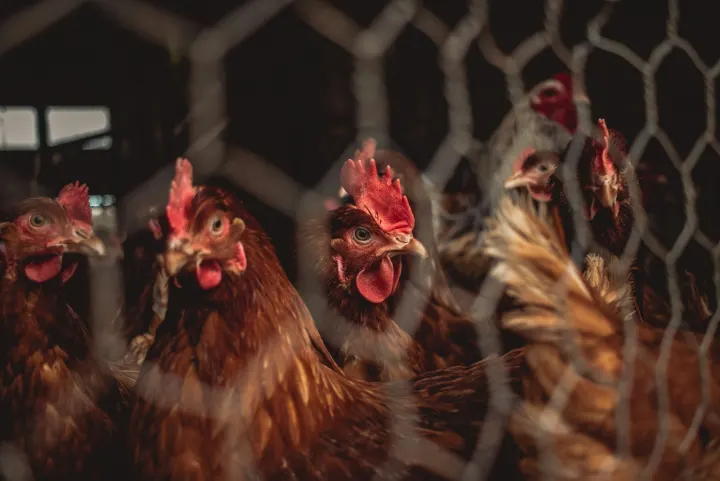
Bird flu housing order covers all of England from Friday 13 November
Keepers with 50 or more birds, and anyone who sells or gives away eggs or poultry, must keep their birds indoors from 00:01 on Friday. A prevention zone with compulsory biosecurity already applies to every keeper, including those with a few hens in the garden.
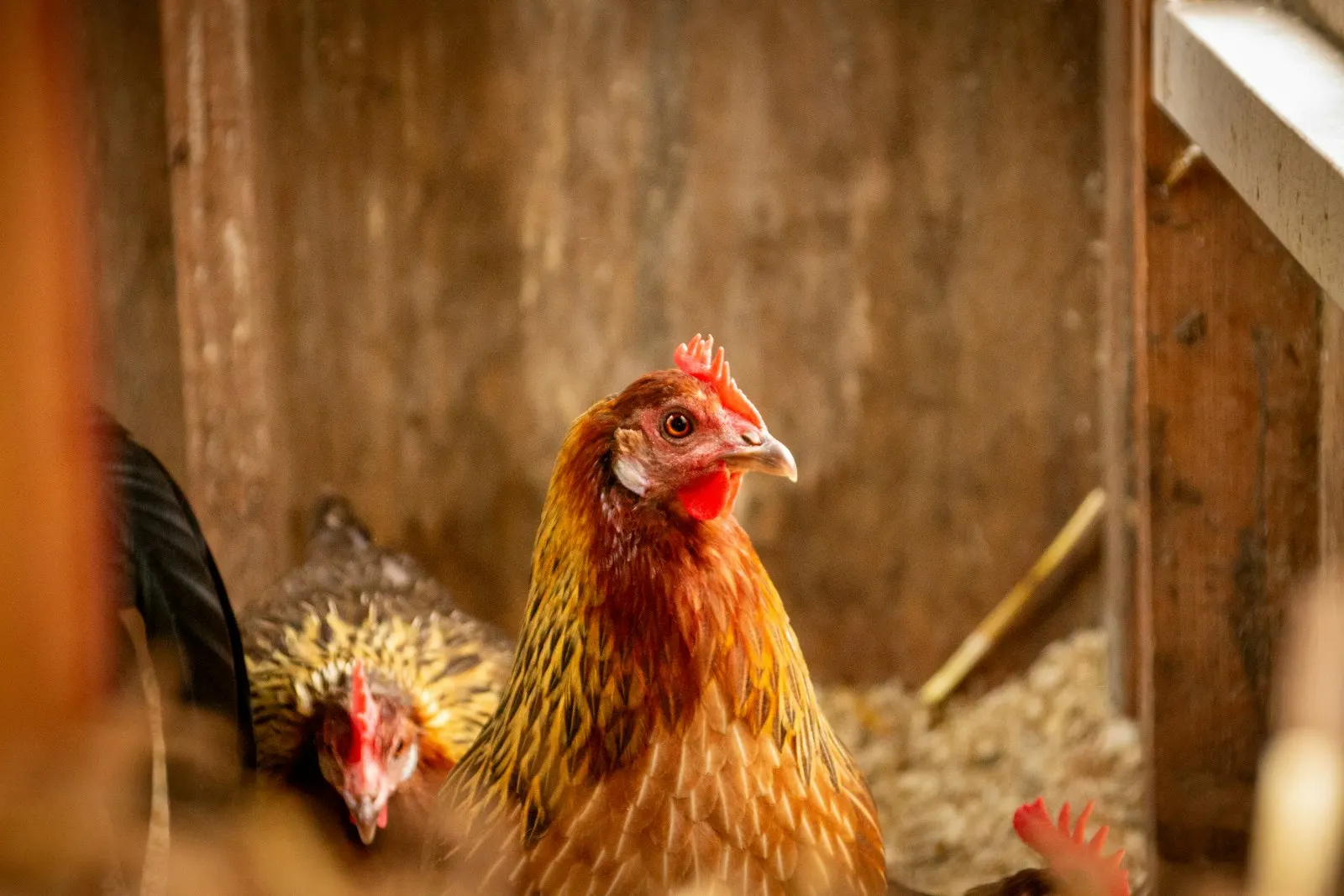
Poultry and other captive birds across England must be housed from 00:01 on Friday 13 November, after the UK Chief Veterinary Officer, Christine Middlemiss, ordered a national housing measure in response to a rising number of bird flu cases in kept flocks and findings in wild birds.
The order applies to anyone keeping 50 or more birds, and to keepers of any size who sell or give away eggs, poultry products or live birds. Defra says there are limited exceptions, such as some zoo birds.
An England-wide avian influenza prevention zone came first. It took effect at 9am on Wednesday 11 November and makes enhanced biosecurity compulsory for every keeper, whether that means a commercial farm, a few hens in a back garden or pet birds. Scotland's own all-country zone has been in force since noon on Tuesday 10 November, as Voltacle reported on Wednesday.
What every keeper in England now has to do
Under the zone rules, keepers must:
- clean and disinfect clothing, footwear, equipment and vehicles before and after contact with their birds, using disposable protective clothing where practical
- cut down on people, vehicles and equipment moving in and out of areas where birds are kept
- carry out effective vermin control where birds are kept
- clean and disinfect housing regularly, and keep fresh disinfectant at the correct strength at entry and exit points
- keep feed and water out of reach of wild birds
- stop poultry reaching ponds and watercourses, and keep birds in fenced or enclosed areas
Changes in egg production must be reported, records must be kept, and concrete walkways need regular cleaning and disinfection. Suspected bird flu should be reported straight away to the Animal and Plant Health Agency. GOV.UK has separate registration routes for keepers with fewer than 50 birds and those with 50 or more.
Christmas birds and food safety
The UK produces about 8 million turkeys a year, and Defra does not expect the outbreak to affect the overall supply of Christmas turkeys or other seasonal poultry. It says the risk to human health remains very low, while the Food Standards Agency says properly cooked poultry and eggs are safe to eat.