
New guide shows salons how to spot fake beauty products
The Intellectual Property Office says counterfeits can be only slightly cheaper than the real thing, and that testing has found lead, mercury and methanol.
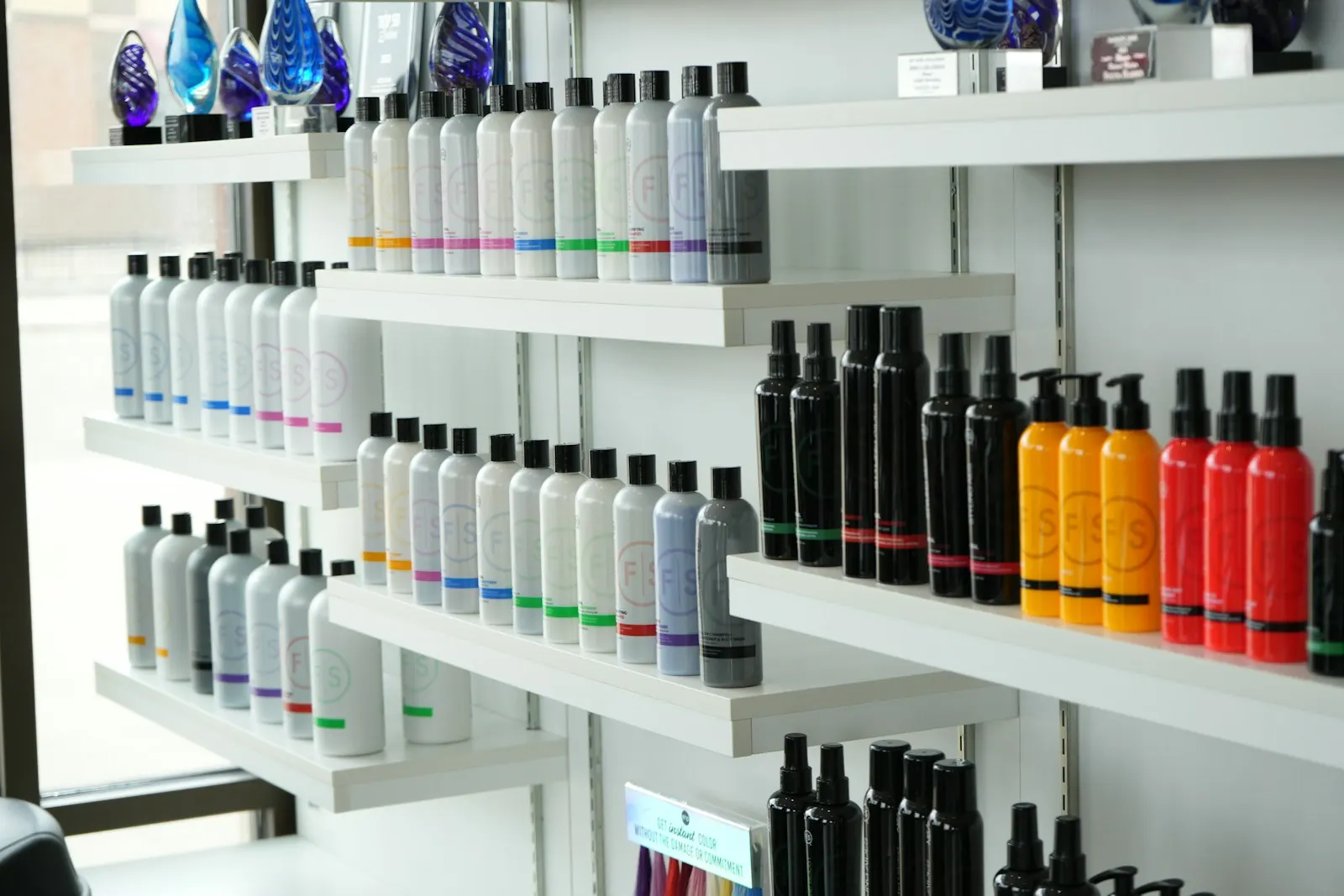
Salons and beauty practitioners have a new government checklist for keeping counterfeit products out of their treatment rooms, published on Friday by the Intellectual Property Office.
Developed with the industry, the guide warns against judging by price or looks. Fakes may be only a little cheaper than genuine stock, and the packaging can be convincing. Testing has found heavy metals such as lead and mercury, as well as methanol, and fakes may also contain undeclared ingredients or bacteria. That can increase the risk of skin irritation, allergic reactions, chemical burns and eye injuries.
Its advice comes down to five steps: buy from the brand, an authorised distributor or a trade wholesaler the brand recognises; check who the seller is, especially on marketplaces, social media and unfamiliar websites; do not rely on price or appearance; inspect packaging, labelling, ingredients and traceability details before use or sale; and if something looks wrong, neither use nor sell it, and report it.
The warning signs listed include:
- prices that seem too good to be true
- blurry print or spelling mistakes on the packaging
- no company or contact details
- no batch, safety or traceability information
- a product that looks, smells or feels different from usual
The guide also covers tools and equipment, including electrical items, which can break or fail safety tests. It reminds practitioners that GLP-1 medicines and botulinum toxin are prescription-only, and that buying them from unregulated sources carries a risk of falsified products.
Selling counterfeits is illegal, and the IPO says counterfeit or non-compliant products may also affect insurance cover, so salons should check their professional indemnity and public liability policies.
Suspect sellers go to Trading Standards through the local council, or to Citizens Advice on 0800 144 8848. Suspicious online sellers of medicines should be reported to the MHRA, and suspected falsified medicines or side effects can go through its Yellow Card scheme.