Wirral plans trial of pavement channels for EV charging cables at homes without driveways
Councillors will be asked on 2 December to release £194,000 of grant funding for the channels. The council would pay £500 towards each one, with residents covering the rest and an annual fee.
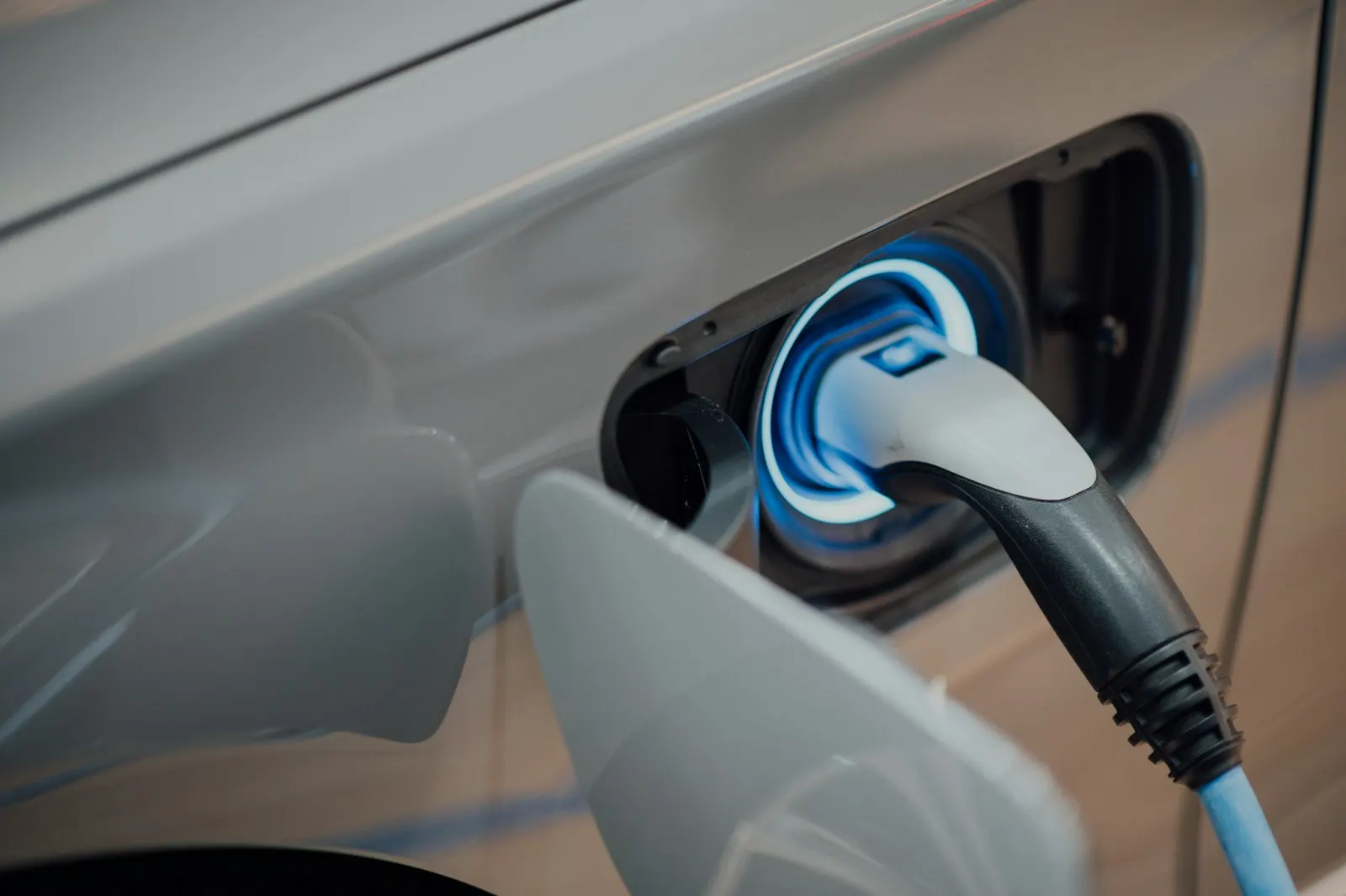
Wirral residents who have no driveway could soon charge an electric car from their own electricity supply through a channel set into the pavement, under a trial going to councillors next week.
A report to Wirral Council's Environment, Climate Emergency and Transport Committee, which meets at Wallasey Town Hall at 6pm on Wednesday 2 December, asks members to let the Director of Operations use £194,000 of grant funding to appoint a supplier to provide and install the channels. The money comes from the Liverpool City Region Combined Authority, which received it from the government's Office for Zero Emission Vehicles, and it can only be used for channels.
What residents would pay
The council would put £500 of the grant towards each channel. The resident would pay the remaining installation cost, which depends on the prices a supplier offers through the council's procurement. Residents would also sign an agreement to pay an annual fee, not yet set, to cover inspections, maintenance and any future removal of the channel. They would need to show household or motor insurance that covers liability while charging, renewed each year.
The council has a list of more than 60 residents who have asked for a channel and says it will contact each of them. It aims to fit at least 25 to 30 channels in the first phase and then review the approach. The report warns that channels and mats will not work at every home without off-street parking, and that a number of technical and safety questions have to be settled first.
Depending on who installs the channel, a street works licence under section 50 of the New Roads and Street Works Act 1991 may be needed, and the report notes that this would be a cost to the resident. The council intends the chosen supplier to do the installation.
Cable mats paused for review
Some Wirral households already run a cable across the footway under a protective mat, with council permission. That process has been paused while all existing approvals are reviewed. Existing users will get a fresh approval under a new policy, which the committee is also being asked to adopt, and new applications will be assessed.
Under the draft policy, the mat has to cover the full width of the footway, must not cross a council or third-party grass verge, and must be taken up when not in use. Running a cable across a highway where it could endanger other users is an offence under section 162 of the Highways Act 1980. The council has also been offered a small number of low-profile mats and flat charging cables to test with residents.
Why the permission matters
Planning rules in England changed on Wednesday 21 October. An amendment to the permitted development rules for home charge points now requires that, where there is a footway between the charger and the car, the cable must cross it through an authorised cross-pavement solution, meaning one installed by or with the approval of the highway authority. Wirral's report says both the council-approved mats and the channels count as authorised.
The report says people with a driveway or garage are more than three times as likely to switch to an electric car, and charging at home can be significantly cheaper and more convenient than relying on public points alone.
Public charge points from summer 2027
Separately, the Combined Authority has spent 10 months choosing a single operator to supply, install, run and maintain public charge points across the city region for 15 years, paid for with £9.647 million of Local Electric Vehicle Infrastructure funding split equally between the six council areas. The contract still has to be signed and then approved by the Office for Zero Emission Vehicles, and delivery is expected to begin in summer 2027.
The operator would take over Wirral's 53 existing on-street charge points and is expected to replace them. The council says the income from those points is too low to pay for repairing or replacing them. Charging prices on the new network will be set by the operator and are not yet known. The government's separate plans for cheaper on-street EV charging from spring 2027 were covered here last month.